Beat.Z uses prompts and WebMCP tools to create custom audio-effect chains. Preview generated effects in-browser with AudioWorklet, then download working VST3 plugins in DAW—Ableton and Reaper tested.
Aggregate35
Leverage9
Execution8.5
Impact8.5
Creativity9
Each criterion 1–10, equally weighted; aggregate is their sum. Ranking is the pipeline's consolidated output.
Origin, access model, eligibility, and substitution are reviewer diagnostics, not judging criteria. Authentication requirements are not penalized.
02 The two blind reviews
Two independent reviewers scored this project blind, from a sanitized evidence packet.
Scores are shown separately so the reasoning stays inspectable. A withheld score means the reviewers differed by more than two points.
Reviewer A (round 1)
confidence 75%
Leverage
9 /10
Turning natural-language intent into a functioning effect chain and DAW plugin is a capability jump over UI automation; structured tools coordinate generation, preview, approval, and export.
Evidence cited
Pitch claims custom chains, AudioWorklet preview, and working VST3 downloads tested in two DAWs.
About text describes an agent-first sound-effect builder and approval/change scope.
Execution
8 /10
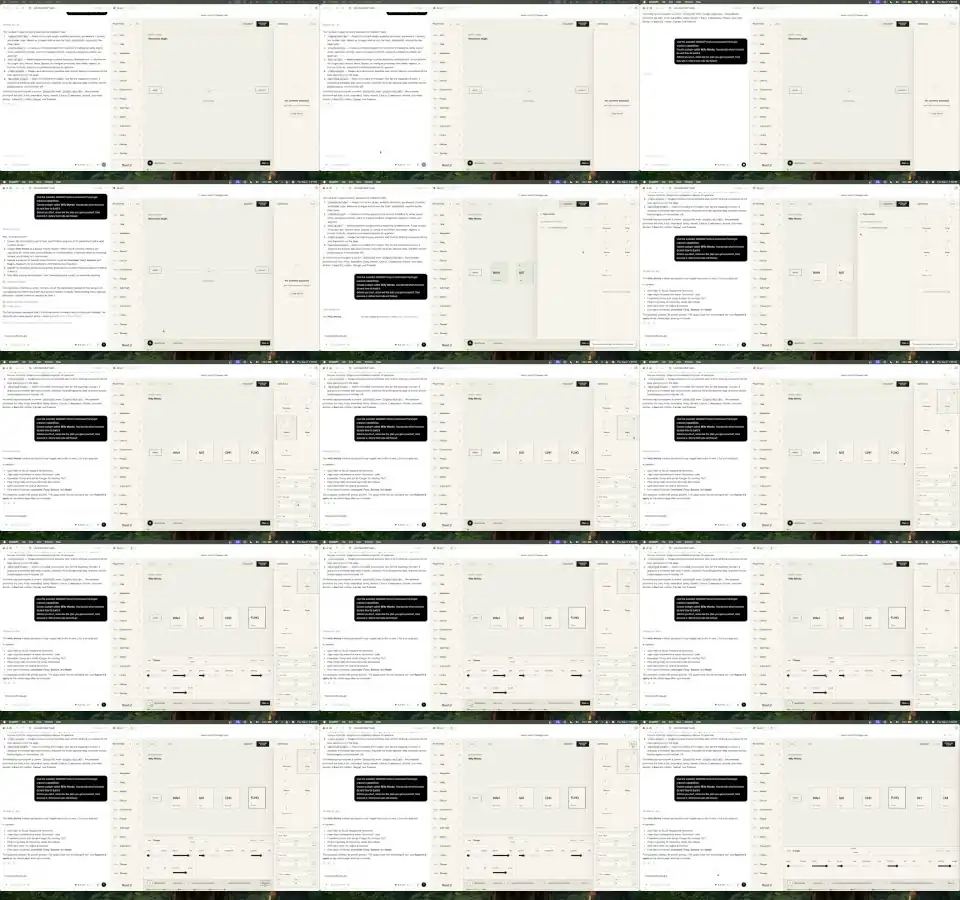
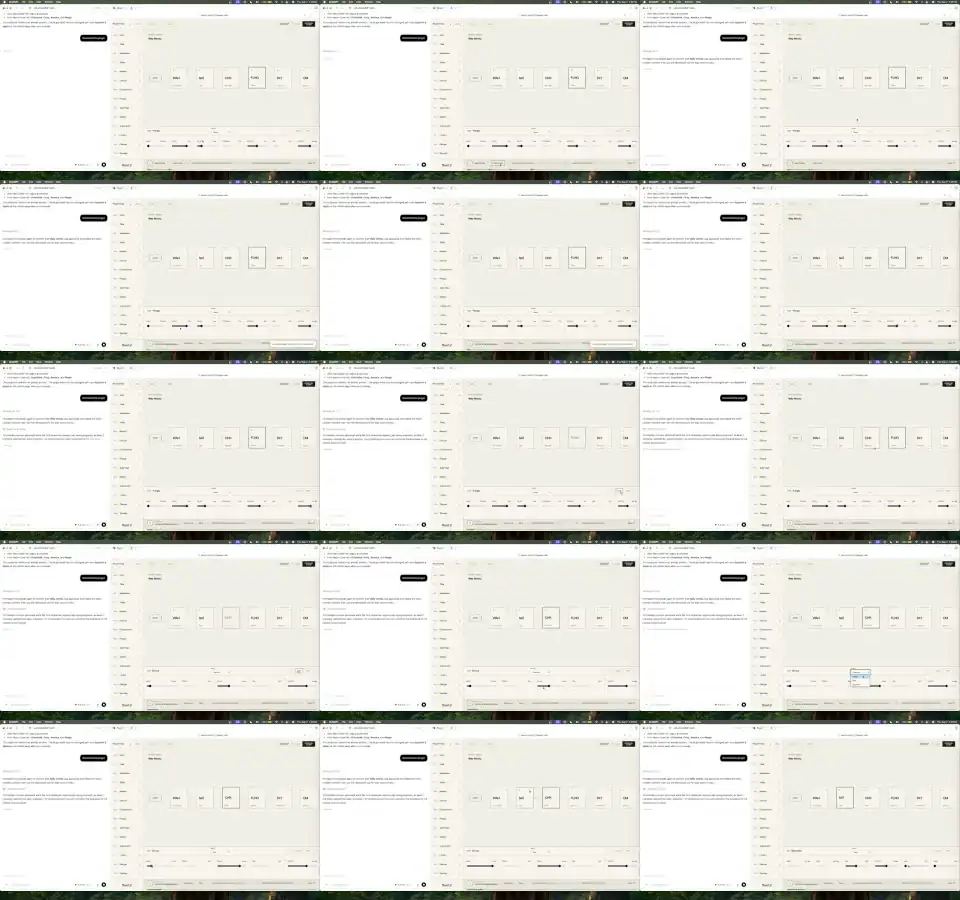
The frame sheet visibly shows repeated application/plugin workflow states and the written evidence names concrete DAW outputs, though there is no transcript and the exact generation path is not fully readable.
Evidence cited
Facts report live demo and six gallery images plus three submitted video frame sheets.
Frame sheet shows a consistent structured audio/business application workflow across states.
About text names three generated plugins and REAPER use.
Impact
8 /10
Independent producers and learners can prototype sounds without buying or mastering many plugins; the browser-to-DAW bridge addresses a concrete creative workflow.
Evidence cited
About text identifies a producer audience and describes immediate preview plus DAW export.
Creativity
9 /10
Natural-language, agent-mediated effect design that ends in a native VST3 artifact is an ambitious and memorable cross-environment interaction.
Three named effect products are presented as distinct generated chains.
Reviewer B (round 2)
confidence 88%
Leverage
9 /10
WebMCP connects natural-language agent construction to an executable audio graph and native plugin artifact, a substantial capability jump over UI automation.
Evidence cited
Pitch explicitly links prompts and WebMCP tools to custom chains and VST3 output.
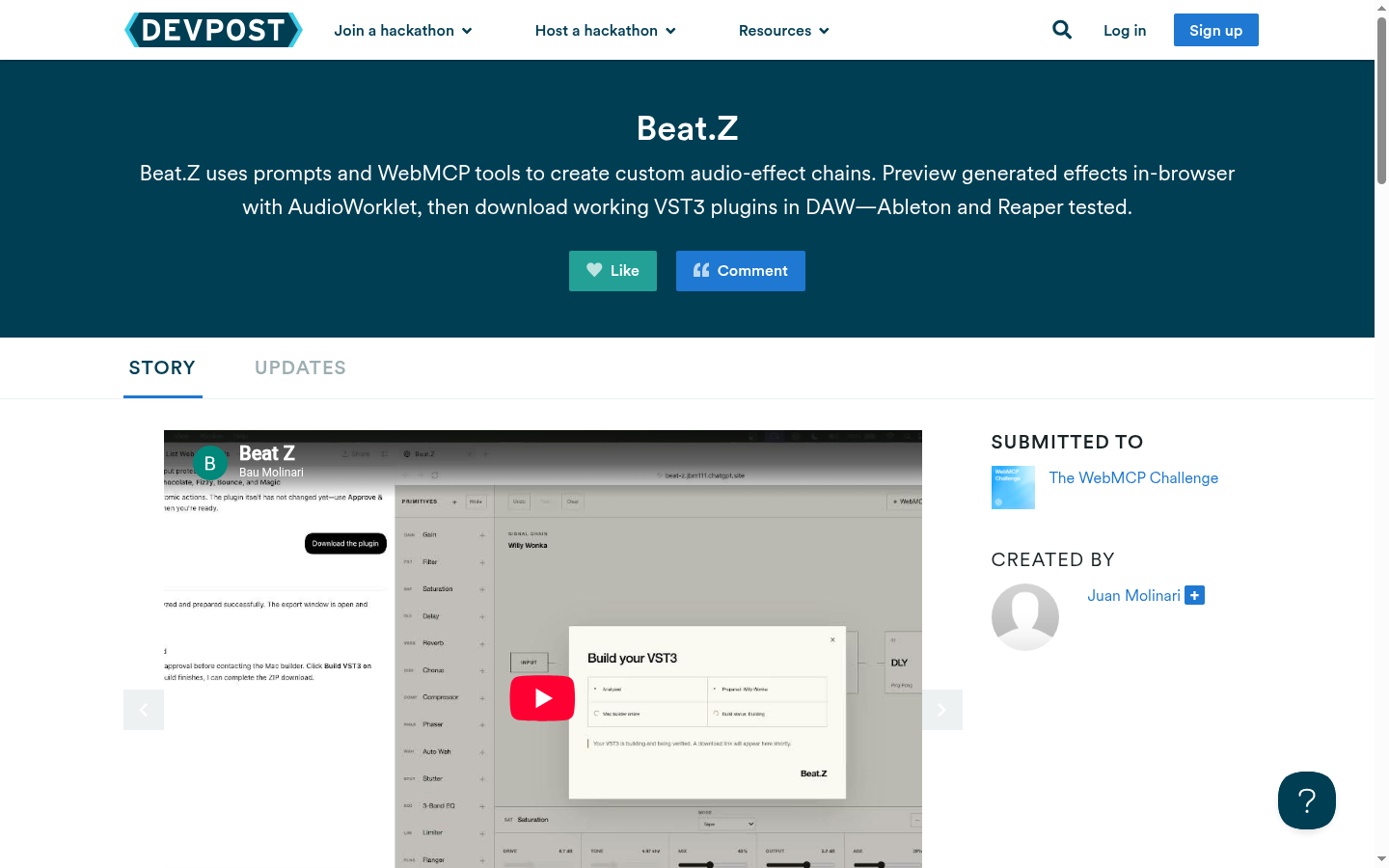
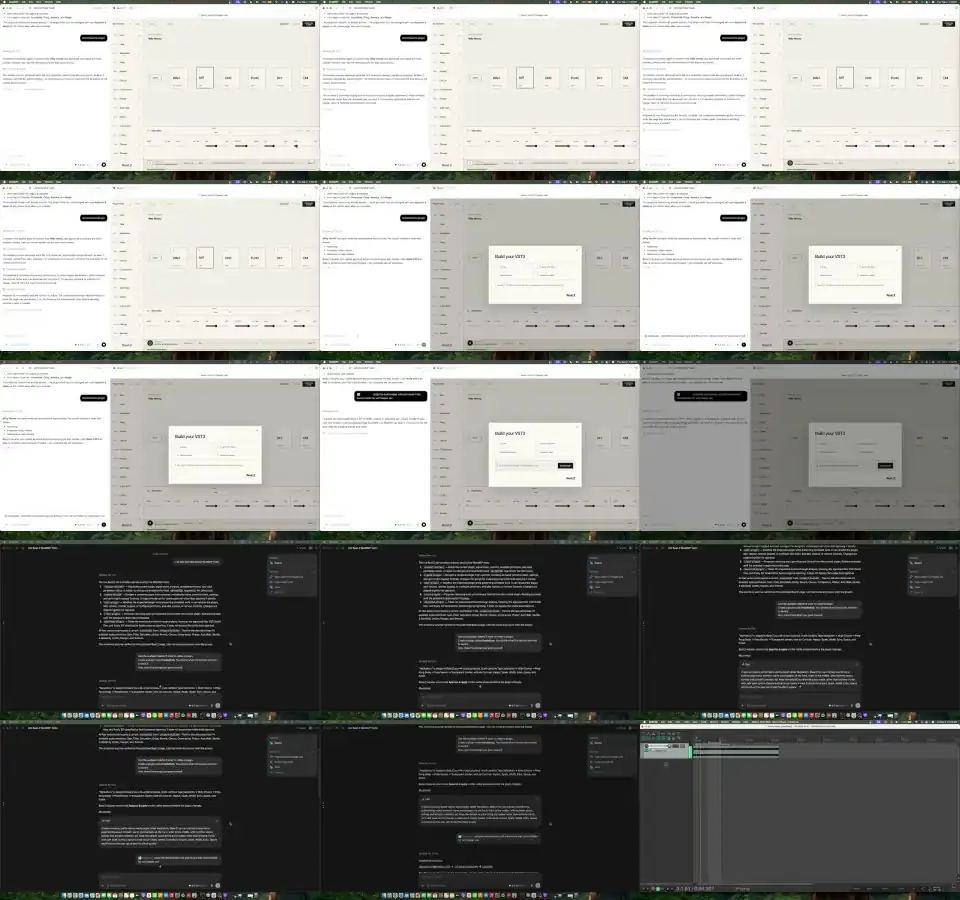
Screenshot visibly shows effect modules, Build your VST3 dialog, and download control.
Frames submitted for the browser-to-plugin workflow.
Execution
9 /10
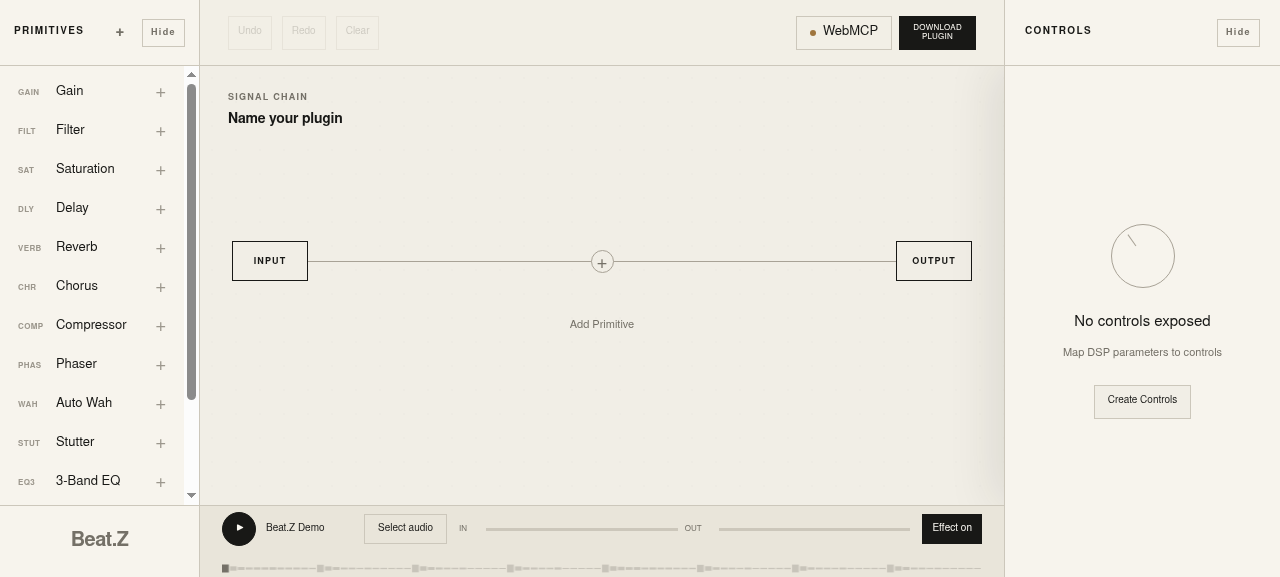
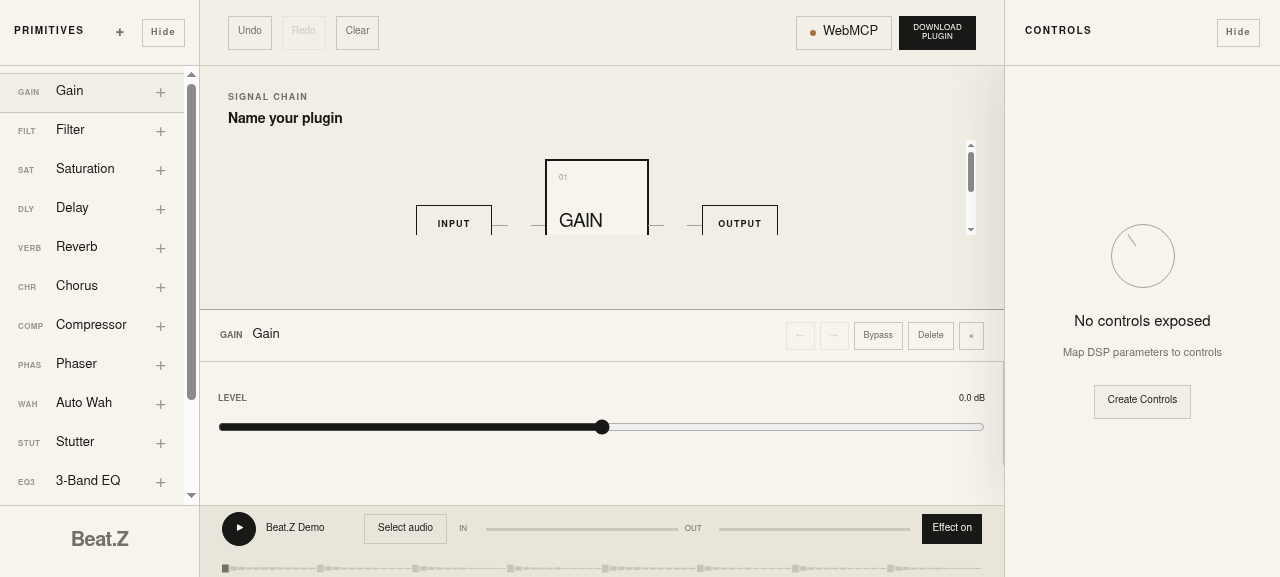
The packet evidences a coherent chain editor, realtime preview, build stages, and plugin download, with tested DAW targets claimed.
Evidence cited
Devpost screenshot shows many effects, chain controls, build-status dialog, and Download the plugin.
About text names AudioWorklet preview and Ableton/Reaper testing.
Impact
8 /10
Producers and hobbyists can cheaply create personalized effects without traditional plugin development or buying another plugin.
Evidence cited
Inspiration identifies a producer audience and expensive existing DAW/plugin ecosystem.
Working VST3 artifact can enter established DAW workflows.
Creativity
9 /10
Prompt-to-audio-chain-to-native-VST3 is a memorable cross-boundary concept with meaningful depth.
Evidence cited
Browser AudioWorklet preview and native plugin export are joined in one agent workflow.
Multiple generated named effects and mapped controls are shown.
03 Review highlights
Standouts across reviewers
Produces a durable native plugin artifact rather than only an in-browser mock.
Strong browser-to-native-plugin bridge.
Clear artifact-oriented outcome rather than a toy preview.
Red flags
Agent invocation details are not readable from the contact sheet and there is no transcript.
DAW tests are claimed in text; supplied frame evidence focuses mainly on the browser build flow.
04 Evidence
What each artifact proves is labeled on the artifact itself. A Devpost page capture is packaging evidence, not proof the product runs;
video frames are evidence from the submitted demo, not live verification.
Probe captures come from Stage 2 interactive testing of the live product by a reviewer.
EX-01 Devpost page capture · packaging evidence, not runtime proof
· sourceEX-02 Live probe at Stage 2 · observed product behavior, reviewer-drivenEX-03 Live probe after interaction · observed product behavior
EX-V Submitted demo video
Contact sheets from the ?s video the team submitted. This is what reviewers were shown;
it demonstrates the product in motion but is not independent verification.
· watch the original
EX-V1 Sheet 1 of 3 · reported video evidenceEX-V2 Sheet 2 of 3 · reported video evidenceEX-V3 Sheet 3 of 3 · reported video evidence