Origin, access model, eligibility, and substitution are reviewer diagnostics, not judging criteria. Authentication requirements are not penalized.
02 The two blind reviews
Two independent reviewers scored this project blind, from a sanitized evidence packet.
Scores are shown separately so the reasoning stays inspectable. A withheld score means the reviewers differed by more than two points.
Reviewer A (round 1)
confidence 65%
Leverage
9 /10
Domain-level molecular-biology tools operating on shared sequence state are far more precise than general UI driving and enable complex chained workflows.
Evidence cited
WebMCP exposes sequence-specific operations rather than generic clicks.
Sequence changes are staged against revision and sequence hash, show consequences, and wait for human approval.
Execution
6 /10
The scope is ambitious and internally coherent, but absence of video transcript and unavailable image inspection prevent end-to-end confirmation.
Evidence cited
About text lists broad import, analysis, cloning, CRISPR, comparison, and protocol-generation capabilities.
Packet reports alive demo, public repo, and four gallery images.
Impact
8 /10
Researchers and builders working with DNA sequences have a concrete copy-paste and validation problem that this integrated workspace directly targets.
Evidence cited
Supports real formats and sources including GenBank, FASTA, NCBI, ENA, Addgene, and Opentrons.
Shared biological state removes repeated transfer between AI and specialist tools.
Creativity
9 /10
The concept deeply applies WebMCP to a specialized scientific domain and combines agent collaboration with safety-conscious mutation staging.
Evidence cited
Domain operations cover molecular workflows rather than generic assistant features.
Approval-gated consequence-aware sequence mutation is a distinctive interaction model.
Reviewer B (round 2)
confidence 80%
Leverage
8 /10
Domain-level biology tools and revision/hash-guarded staged mutations are substantially more reliable than an agent manipulating a generic editor, though many operations could exist behind another API.
Evidence cited
About text lists domain tools for import, feature navigation, restriction analysis, Golden Gate, primers, CRISPR, comparison, and Opentrons.
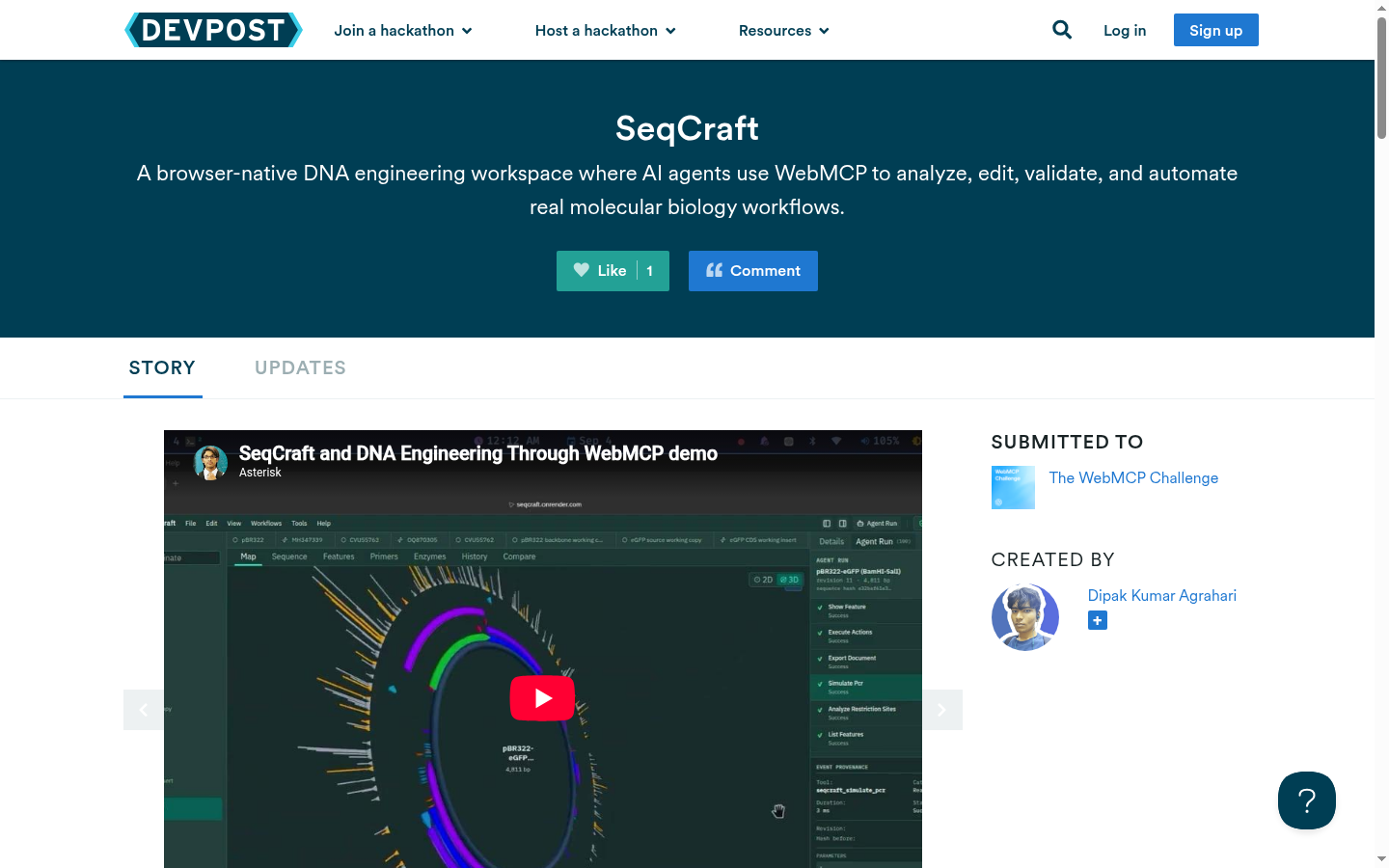
Screenshot visibly shows Map/Sequence/Features/Primers/Enzymes/History/Compare and an Agent Run panel with successful operations.
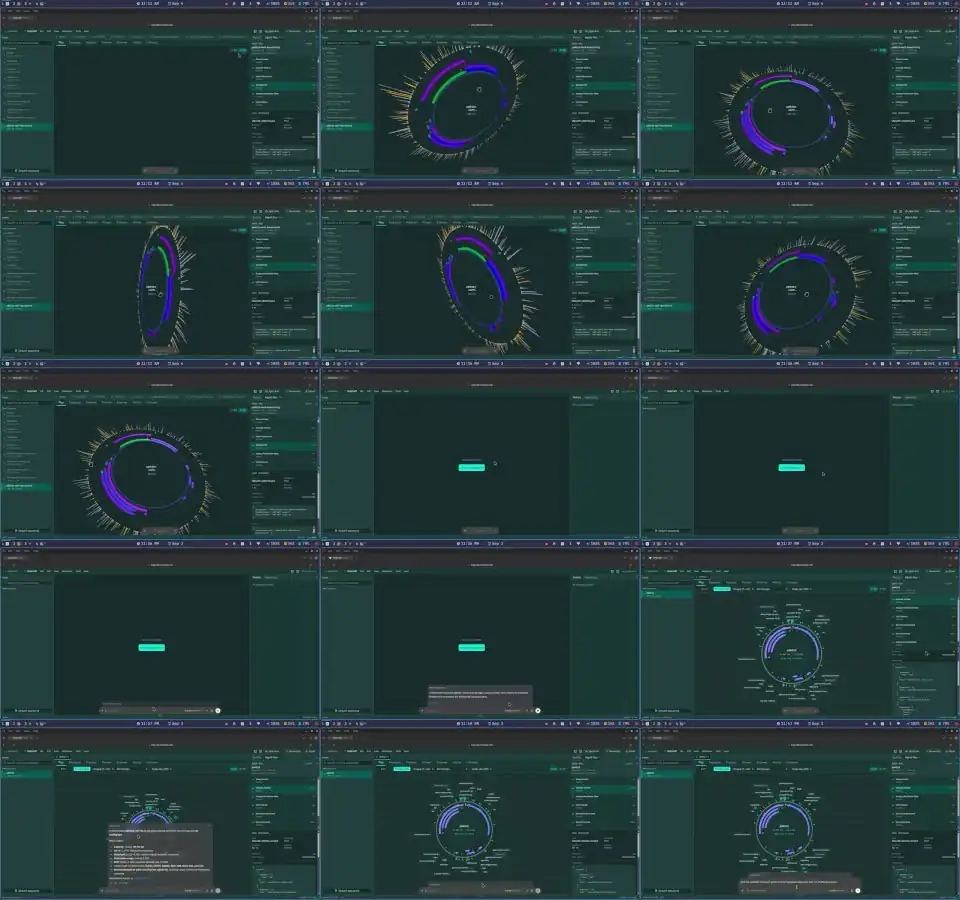
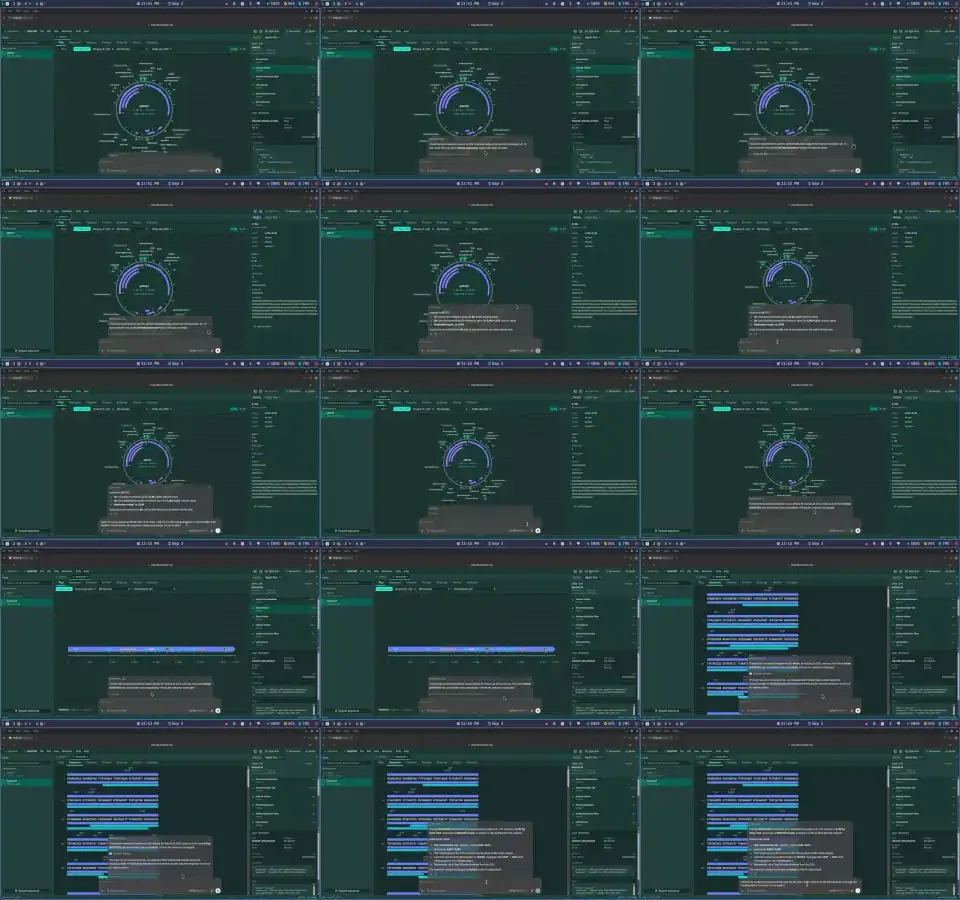
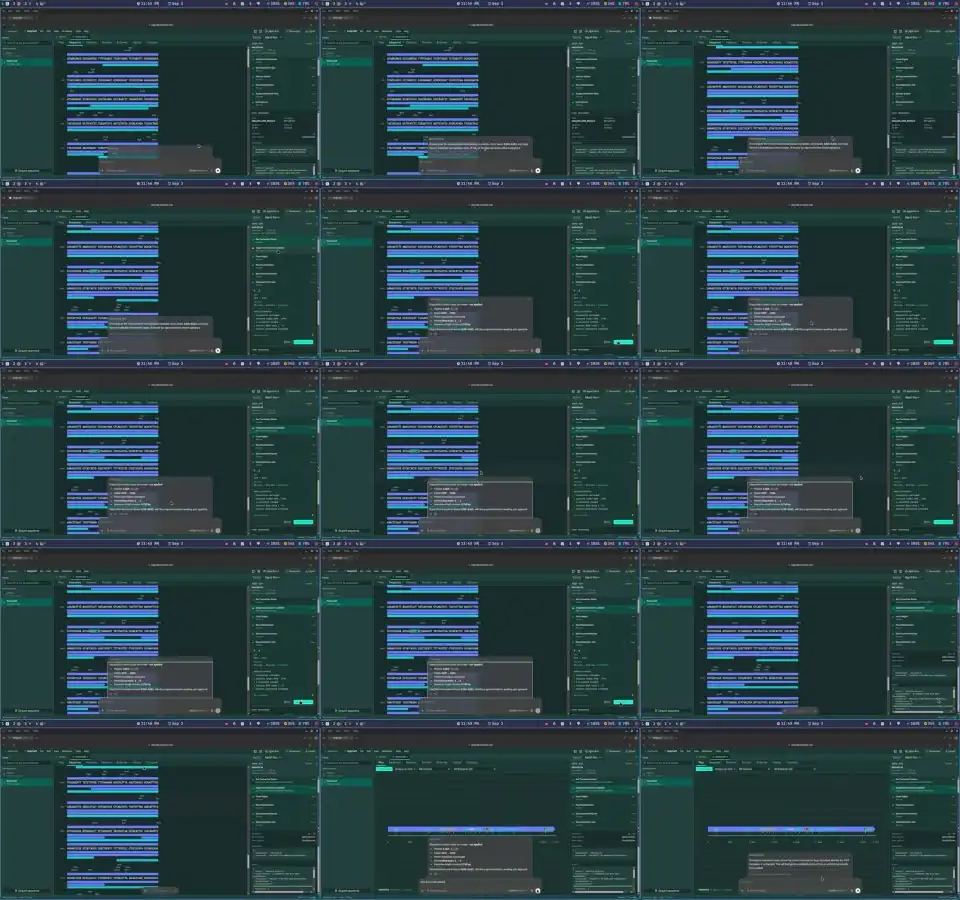
Frames show circular and linear sequence/map states with annotated results.
Execution
8 /10
The visible application is substantial and coherent, with a consistent scientific editor and agent-run success log; some contact-sheet details are low-resolution and no transcript is provided.
Three frame sheets show sequence visualization, transitions, populated timelines/maps, and result overlays.
Impact
8 /10
Researchers, students, and molecular-biology practitioners can benefit from reducing context copying across sequence analysis and design workflows; the domain fit is credible.
Evidence cited
Specific real workflows include PCR, restriction sites, cloning, CRISPR, and protocol generation.
Human approval is required for sequence-changing operations.
Creativity
8 /10
Bringing agent-native, revision-aware molecular design into a browser workspace is ambitious and more than a generic chatbot wrapper.
Evidence cited
Agent works against the same documents, annotations, revisions, and history as the human.
Combines biological analysis with staged mutation consequences and approval.
03 Review highlights
Standouts across reviewers
High ambition and unusually strong domain-specific WebMCP surface.
Strong domain-specific tool surface.
Revision/hash safeguards are appropriate for consequential sequence edits.
Red flags
Very broad claimed scope with no submitted video evidence.
No transcript; some frame-sheet states are difficult to read precisely.
04 Evidence
What each artifact proves is labeled on the artifact itself. A Devpost page capture is packaging evidence, not proof the product runs;
video frames are evidence from the submitted demo, not live verification.
Contact sheets from the ?s video the team submitted. This is what reviewers were shown;
it demonstrates the product in motion but is not independent verification.
· watch the original
EX-V1 Sheet 1 of 3 · reported video evidenceEX-V2 Sheet 2 of 3 · reported video evidenceEX-V3 Sheet 3 of 3 · reported video evidence